What is CTV? Understanding Connected TV Advertising and Its Impact
What is CTV? Understanding Connected TV Advertising and Its Impact

- Connected TV Advertising Explained
- How Does CTV Advertising Work?
- Advantages of Connected TV Advertising
- Understanding the CTV Ecosystem
- Getting Started with CTV Advertising
- Why CTV Advertising Matters
- The Takeaway
Connected TV Advertising Explained
As streaming continues to dominate our entertainment choices, it’s no surprise that a staggering 99% of U.S. households now subscribe to at least one or more streaming services. While this variety offers endless entertainment options, it also presents a unique opportunity for businesses to reach their audience in a more targeted and effective manner. Welcome to the era of Connected TV (CTV) advertising.
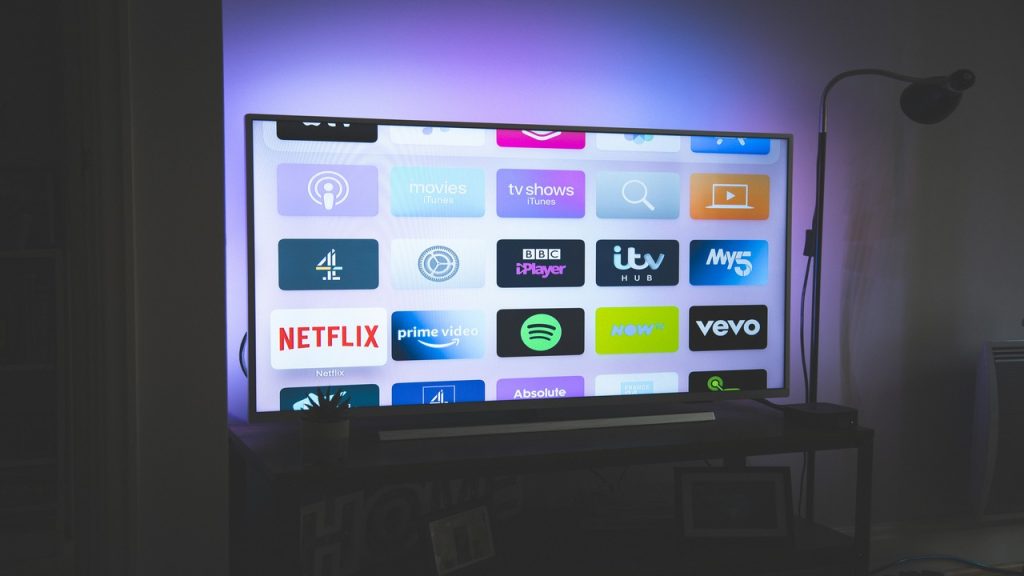
Connected TV, or CTV, is simply a TV that’s hooked up to the internet. This means you can stream digital content directly on your TV screen, so there is no need for cable or satellite anymore. With CTV, you can dive into everything from Netflix to YouTube, and even browse the web, all from the comfort of your couch. It’s the next evolution of television, blending the traditional TV experience with the endless possibilities of the internet. Whether you’re using a smart TV, a gaming console, or a device like Roku or Apple TV, CTV is changing the way we watch and interact with media.

Key Features of CTV
What makes CTV stand out is its internet connectivity, which opens up a whole new world of on-demand content. Unlike traditional TV, where you’re stuck with whatever’s on, CTV lets you watch what you want, when you want it. This shift from linear TV to streaming means you’re no longer tied to a schedule—your favorite shows and movies are just a click away. Plus, with the ability to download apps, explore different streaming services, and even surf the web, CTV offers a more personalized and flexible viewing experience.
How Does CTV Advertising Work?
CTV advertising is like the best of both worlds because it combines the reach of traditional TV ads with the precision of digital marketing. Here’s how it all comes together:
- Ad Placement: When you’re streaming your favorite show and an ad pops up, that’s CTV advertising at work. These ads can show up before, during, or after your content, depending on the streaming platform. The cool (and, perhaps, slightly creepy) part? These ads are dynamically inserted, meaning they’re tailored to who’s watching.
- Audience Targeting: CTV advertising shines when it comes to targeting. Unlike traditional TV ads that cast a wide net, CTV ads are super focused. Using data like what shows you’ve watched, where you live, and even your shopping habits, advertisers can make sure the ads you see are relevant to your interests.
- Technical Infrastructure: Behind the scenes, there’s some pretty cool tech making all this happen. Ad exchanges and demand-side platforms (DSPs) are the marketplaces where ad space is bought and sold in real time. Data management platforms (DMPs) help gather and analyze all that viewer data to fine-tune who sees what.
In a nutshell, CTV advertising is smart, targeted, and efficient. This gives brands a way to connect with viewers in a way that feels more personal and less like just another commercial.

Advantages of Connected TV Advertising
Connected TV advertising has some serious perks, especially when it comes to reaching the right people and getting noticeable results. One of the standout benefits of CTV advertising is how accurately you can target your audience. Thanks to data-driven insights, you can focus your ads on specific demographics, interests, and even viewing habits. This means your ads are landing in front of people who are likely to be interested in what you’re offering. Instead of a one-size-fits-all approach, you’re reaching the right people at the right time.
CTV ads are also known for higher engagement, and it’s no surprise why. They’re often non-skippable, which means viewers are more likely to watch the entire ad. Since these ads show up in the middle of a show or movie that people are already invested in, they’re more likely to keep the viewer’s attention.
One of the best parts about CTV advertising is that you can easily measure how well your ads are doing. Unlike traditional TV ads, where tracking success can be tricky, CTV provides clear data on metrics like views, clicks, and conversions. This means you can see exactly what’s working and tweak your strategy to get the best return on investment (ROI). It’s all about making your ad spend as effectively as possible.
Understanding the CTV Ecosystem
Navigating the CTV world can be exciting once you know the key players and how everything fits together. The CTV ecosystem is a bit like a well-orchestrated concert, with several important players and components:
- Streaming Platforms: These are the services where viewers watch their favorite shows and movies, such as Hulu, Netflix, and Peacock. They’re the stage where your ads will appear.
- Ad Networks: Think of these as the conductors of the CTV orchestra. They connect advertisers with the right inventory across various platforms. Examples include companies like The Trade Desk and SpotX.
- Smart TVs: Brands like VIZIO and Samsung make the hardware that connects viewers to the internet and streaming content. These TVs are where your ads will be seen.

Where Can I Display My Ads?
When it comes to placing your CTV ads, you’ve got some solid options:
- Roku: A popular streaming device that offers a range of ad opportunities through its own platform.
- Apple TV: Another major player, with options to reach viewers on Apple’s streaming service and apps.
- Amazon Fire TV: Known for its wide user base, providing various ad placements across its ecosystem.
Each platform has its own set of ad offerings and audience insights, so choose one that aligns with your goals.
What Type of Ads Are Available for You?
CTV offers a variety of ad formats to fit different strategies and objectives:
- In-Stream Ads: These are the traditional video ads that play before, during, or after streaming content. They’re great for reaching viewers in a focused setting.
- Interactive Ads: Engage viewers with clickable elements or QR codes that can lead to additional content or direct responses.
- Display Ads: These are banner-like ads that can appear on streaming device interfaces or within apps.
We’ll dive deeper into the different subtypes of ads in later parts of our CTV series.
Getting Started with CTV Advertising
Before you spend any money, it’s crucial to define your campaign goals. Ask yourself questions like: Who do I want to reach? What action do I want them to take? How does this fit with my other marketing efforts? What tools and resources do I need? Your answers to these questions will guide your choice of platform, ad creation, and targeting strategy.

Choose a Platform
Next, pick a platform to buy and manage your ads. You have several options, including smart TV manufacturers like VIZIO and Samsung, and streaming devices like Roku and Amazon Fire TV. You also have to choose from several video streaming services like Hulu and Peacock, or demand-side platforms (DSPs) like Madhive. Next, decide whether to buy ads directly from services, through private marketplaces, or programmatically. Look for platforms that offer precise targeting and thorough performance tracking.
Choose and Create Your Ad
The next step is selecting your ad format. In most cases this will be a 15- or 30-second spot, although 6-second ads are also popular. You may also want to consider incorporating interactive elements like QR codes to boost engagement. It’s important to craft ads that are engaging and unique to your chosen formats. If the ad doesn’t vibe well with the format or platform you chose, your ad engagement will likely be lower.
Define Your Audience and Launch
When finding your target audience, you can use first-party data, such as information from loyalty programs, or third-party data providers like LiveRamp. Once your audience is set, launch your ad on your chosen platform.
Measure and Optimize
As with all campaigns, it’s essential to track your campaign’s performance using various metrics. Check location and site attribution to see how ads drive store visits and website traffic. You can also measure sales lifts to understand online and offline sales. With these metrics, you optimize your ads in real time to adjust your budget based on performance.
Why CTV Advertising Matters
CTV is revolutionizing the way we think about television and advertising. We mentioned its benefits above, but here’s why CTV stands out and why it’s crucial for today’s marketing landscape:
- Immersive and Interactive Viewing Experience: Unlike conventional TV, where viewers passively watch whatever is scheduled, CTV allows viewers to have complete control over what they watch and when. They can choose from a vast array of on-demand content, stream live events, or binge entire seasons of their favorite shows. This level of control creates a more engaging environment, making viewers more invested in their content choices.
- Captive and Receptive Audience: This enhanced engagement translates into a more receptive audience for advertisers. When viewers actively choose and engage with content, they’re more likely to pay attention to the ads that appear within their chosen shows. CTV’s ability to deliver ads in a personalized and captivating environment ensures that these ads are not just seen, but are also more impactful. Because viewers are already engaged with the content they’ve selected, they’re more open to meaningful interactions with the ads.
- Massive reach: Advertisers should pay close attention to CTV because it offers an enormous reach. CTV devices are now present in nearly 80% of U.S. households, and this figure is steadily increasing. With Americans spending an average of eight hours a day streaming content on their TVs, CTV provides an ideal platform for introducing your brand and building top-of-mind awareness. It's a powerful way to connect with a broad and engaged audience, making it a crucial channel for effective advertising.
The Takeaway
The surge in connected devices is expanding the realm of CTV advertising, as viewers increasingly shift away from traditional linear TV. With video entertainment lovers flocking to CTV, advertisers are adapting their strategies to capitalize on this growing trend. CTV’s immersive nature offers brands an opportunity to engage with their target audiences in a way that traditional TV ads simply can't match.
If you’re ready to tap into the power of CTV, consider exploring Adspace’s CTV services. Contact us today to discover how our expertise in CTV advertising can propel your brand forward and unlock new growth opportunities.

Kylie Lung
Kylie is an experienced Content & SEO Manager with a passion for crafting compelling and optimized content. With a passion for storytelling and a keen eye for detail, Kylie creates engaging articles, blogs, and marketing copy that resonate with audiences. She specializes in digital marketing and technology topics, helping businesses enhance their online presence and connect with their target market. When not writing, she enjoys traveling, reading, and watching the latest horrible reality shows.
Unlock the Secrets to Growth Marketing with Our Free Guide
Download Download